


Product Description


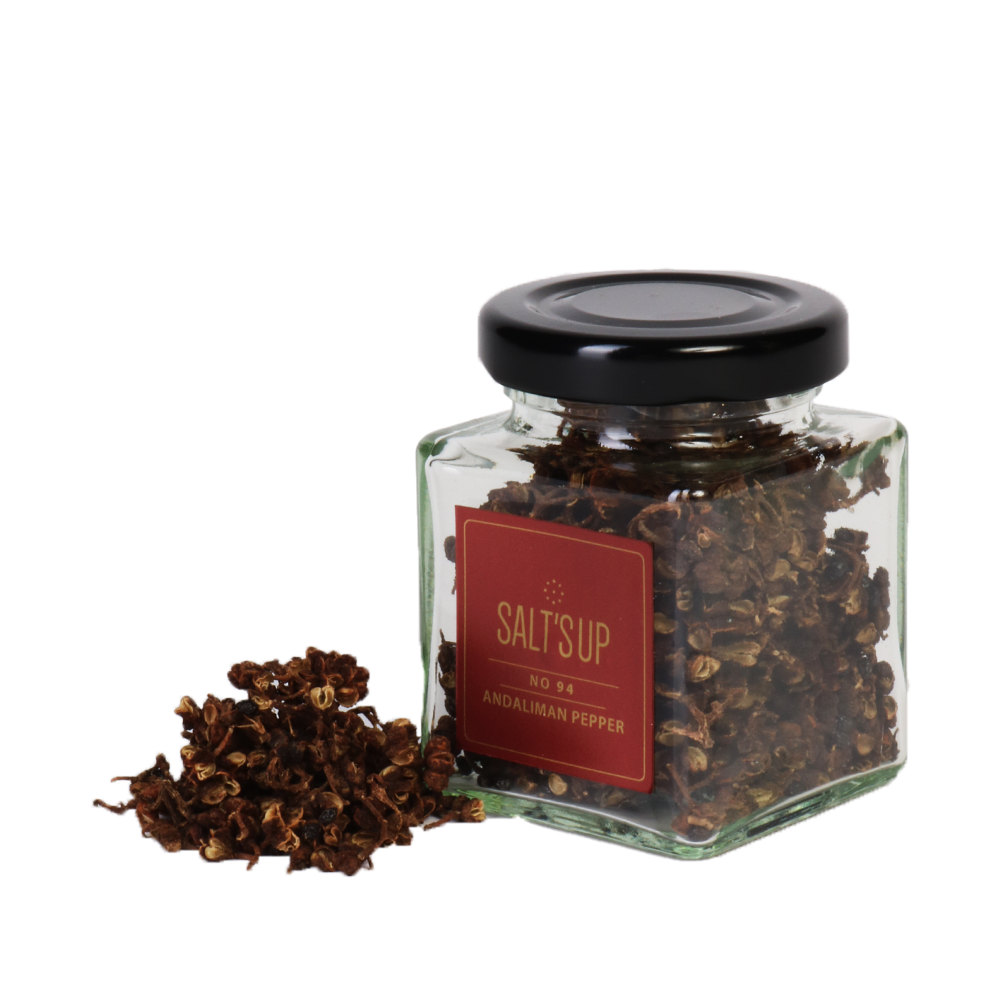
ANDALIMAN pepper No. 94
7.99€
This surprising and rare Indonesian pepper has a wonderful citrusy flavour and aroma. It is ideal with fish, seafood and poultry, and is perfect for everyday use.
Andaliman is a distant relative of Sichuan pepper and is used in Sumatra in much the same way as black pepper is in the West.
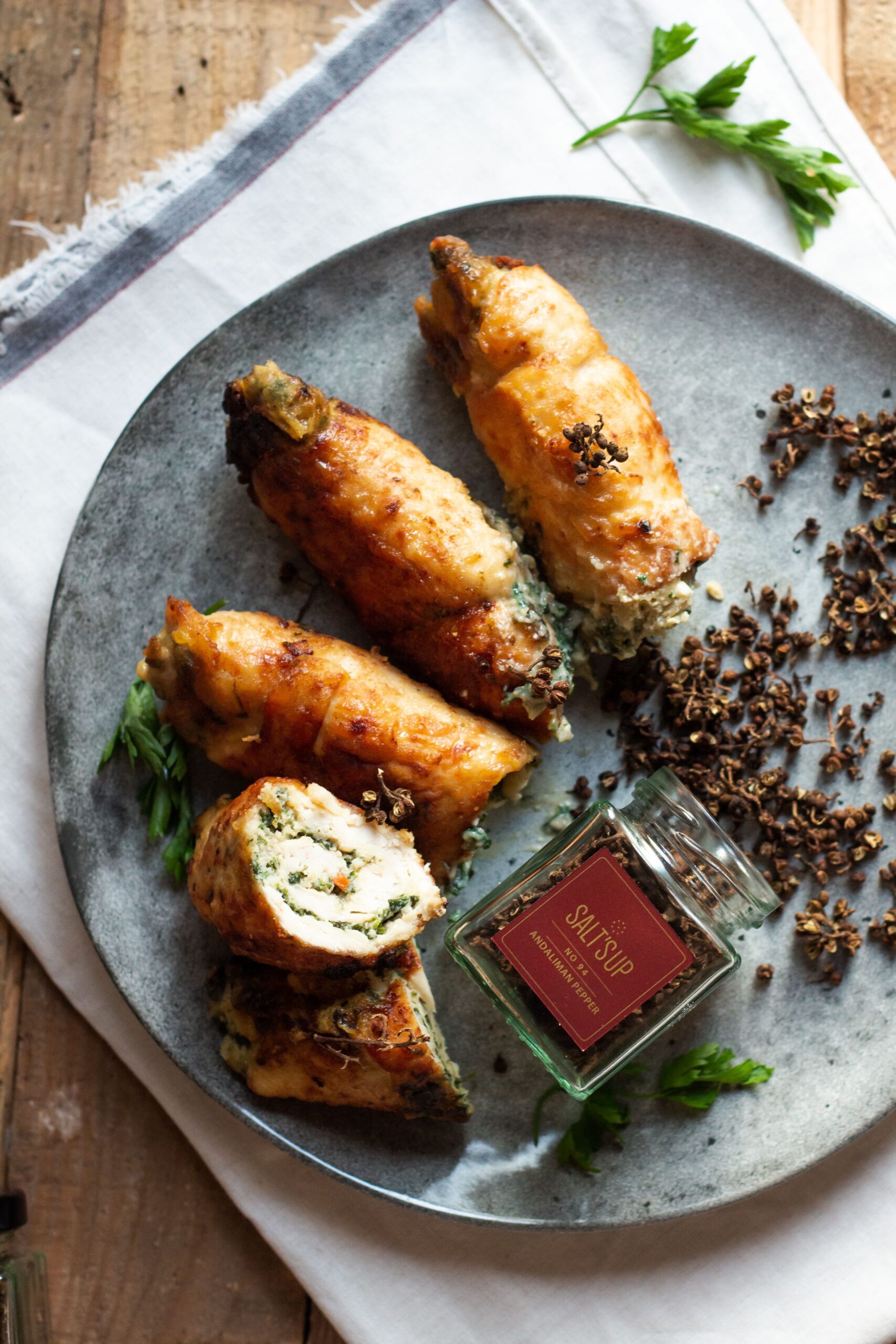
This pepper has a distinctive, slightly pungent flavour, which really brings out your taste buds. It is precisely this quality that makes Andaliman pepper ideal for dishes where the flavour needs to be particularly emphasised. This pepper is ideal for meat lovers – it brings out the flavours of chicken and red meat particularly well.
But enough about meat – here at our spice shop, we decided to try using this very same pepper to make tea instead! We added a little to hot water and it tasted absolutely delicious.
Country of origin: Indonesia
15g jar
Description
What is Andaliman pepper and where does it come from?
Andaliman pepper, also known as lemon pepper, comes from the Zanthoxylum acanthopodium plant. This, in turn, belongs to the Rutaceae family, commonly known as the citrus family. It consists of the berries of an evergreen shrub that grows wild in Indonesia, specifically on the northern plateaus of the island of Sumatra.
Andaliman pepper is extremely rare. To date, it grows exclusively in the wild, much like Tasmanian pepper, Voatsiperifery and red Kampot pepper. Andaliman pepper cannot be cultivated. Harvesting is a complex process and usually takes place in March, although the plant bears fruit all year round. Locals harvest this pepper by hand in the jungles of Sumatra. They collect the fragrant pepper in reed baskets, which are then left to dry in the Indonesian sun. As a result, the pepper loses a significant proportion of its weight, reducing the yield and increasing the price of the final product. After thorough harvesting and drying, only 10 per cent of the original yield remains. In other words, it loses 90 per cent of its initial weight before it even reaches the packaging. This is why Andaliman pepper is extremely rare and also expensive.
The Batak people of North Sumatra have been harvesting Andaliman, their precious and prized pepper, for generations. In some parts of Sumatra, Andaliman wild pepper is used in much the same way as black pepper is used in the West.
Rare Andaliman pepper is an absolute must-have in any gourmet chef’s kitchen.
What does Andaliman pepper taste like?
A powerful citrus aroma, combined with tingling and numbing sensations on the tongue, is a pleasant surprise from Andaliman pepper. This spice significantly increases saliva production, which enhances the intensity of the flavour of the entire dish. The flavour of Andaliman pepper is like a blend of grapefruit, hibiscus and blood orange, with delicate notes of orange and mandarin.
How is Andaliman pepper used?
Thanks to its fresh, fruity flavour, our Andaliman pepper is ideal for serving with fish and seafood.
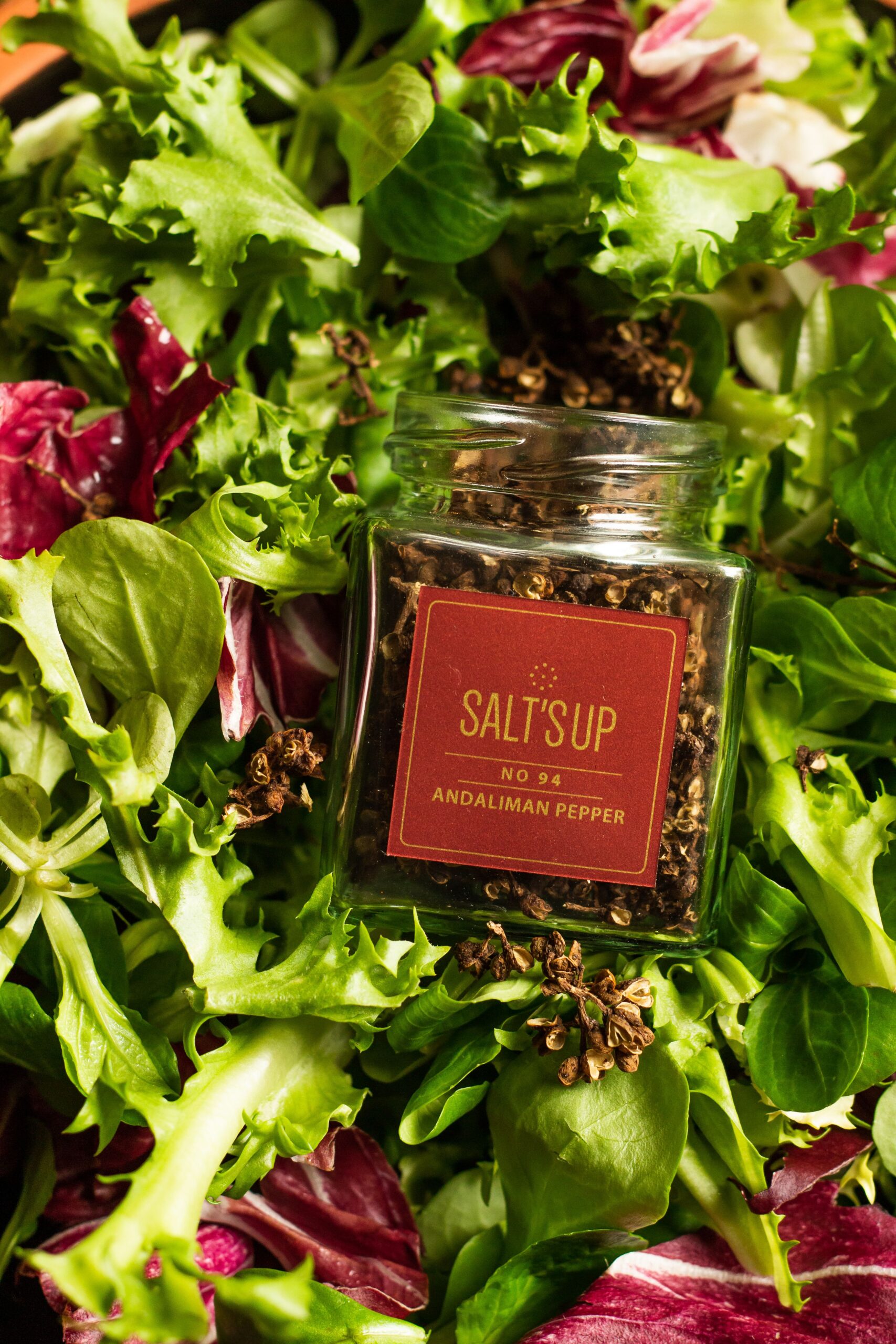
With its citrusy aroma, it enhances the flavour of both vegetarian and meat-based dishes. Furthermore, its aroma makes it an excellent addition to curries and other Asian dishes. For example, it complements ginger and enhances the flavour of sushi starters. It also works exceptionally well as a table pepper. You can put it in a pepper mill and add it to soups, goat’s cheese, salmon, seafood and salads.
Andaliman pepper is definitely worth trying in a salad too, either ground into a dressing or sprinkled on avocado toast. Another tip worth trying is to add it to your gin and tonic!
To flavour poultry, pork and fish dishes, the Batak people of Sumatra combine Andaliman with galangal, turmeric, garlic, ginger, kaffir lime leaves, shallots, lemongrass and chilli.
A fun recipe to try with our Andaliman pepper:
An easy way to use Andaliman pepper in your kitchen is to make your own pepper blend. Ideal for grilled meat, vegetables and fish; for example, grind a little cubeb, Andaliman and black pepper in a pepper mill. The other peppers add a touch of heat, whilst Andaliman brings a fresh, juicy flavour. Another option is to mix it with Fleur de Sel and lemon, which makes a wonderful accompaniment to seafood and fresh salads.
Batak Green Chilli and Andaliman Pepper Sambal.
Sambal is a popular Indonesian sauce that combines green chillies and Andaliman pepper. Sambal is usually used as an all-purpose sauce. It can be added to soups, stews, noodle dishes, pork, rice and even eggs. Sambal can be used to spice up and flavour spreads, dips, marinades and sauces. Combine sambal with ketchup or mayonnaise to create a deliciously spicy spread for burgers or sandwiches. It’s an exciting yet simple recipe that will bring a buzz of excitement and anticipation to your dinner table!
You’ll need:
- 20 small green chillies
- One large red chilli, chopped
- Four shallots, peeled and chopped
- Two garlic cloves, peeled and chopped
- One small lemongrass stalk, use only the white part, finely chopped
- 1 tbsp of our Andaliman pepper
- Fleur de sel, to taste
- One small lime
Method:
- First, use a mortar and pestle to grind the green and red chillies, shallot, garlic, lemongrass, Andaliman pepper and Fleur de Sel into a smooth paste.
- Then squeeze the lime over the paste and mix everything together thoroughly.
- A little tip: squeeze in a little lime or lemon juice whilst pounding to prevent the green chillies from changing colour.
- Serve straight away and enjoy!
Korduma Kippuvad Küsimused
Mis teeb ANDALIMAN pepper No. 94 eriliseks?
ANDALIMAN pepper No. 94 on käsitsi korjatud ja hoolikalt töödeldud gurmeeklassi pipar. Erinevalt tavalise musta pipra massitoodangust on igal gurmeepipral oma unikaalne aroomiprofiil, mis tuleb esile värskelt jahvatades.
Kuidas pipart õigesti säilitada?
Hoidke pipart kuivas, pimedas kohas hermeetilises anumas. Jahvatage alati vahetult enne kasutamist – nii säilib aromaatsete õlide intensiivsus. Teralistena säilib pipar aastaid, jahvatatult kaotab aroomi mõne kuuga.
Milliste toitudega ANDALIMAN pepper No. 94 sobib?
Gurmeepiprad sobivad nii liha-, kala- kui köögiviljatoitudega. Proovige lisada lõpuviimistlusena valmis roale, salatikastmetele või isegi magustoitudele. Iga pipar on erinev – eksperimenteerige julgelt!
Kui kiiresti tellimus kohale jõuab?
Tellimused saadetakse tavaliselt 1–2 tööpäeva jooksul. Eesti-sisene tarne võtab üldjuhul 2–3 tööpäeva. Tallinna poes (Kentmanni 19) on võimalik ka kohapealne kättesaamine.
VAATA KA NEID TOOTEID


