


No products in the cart.


Product Description


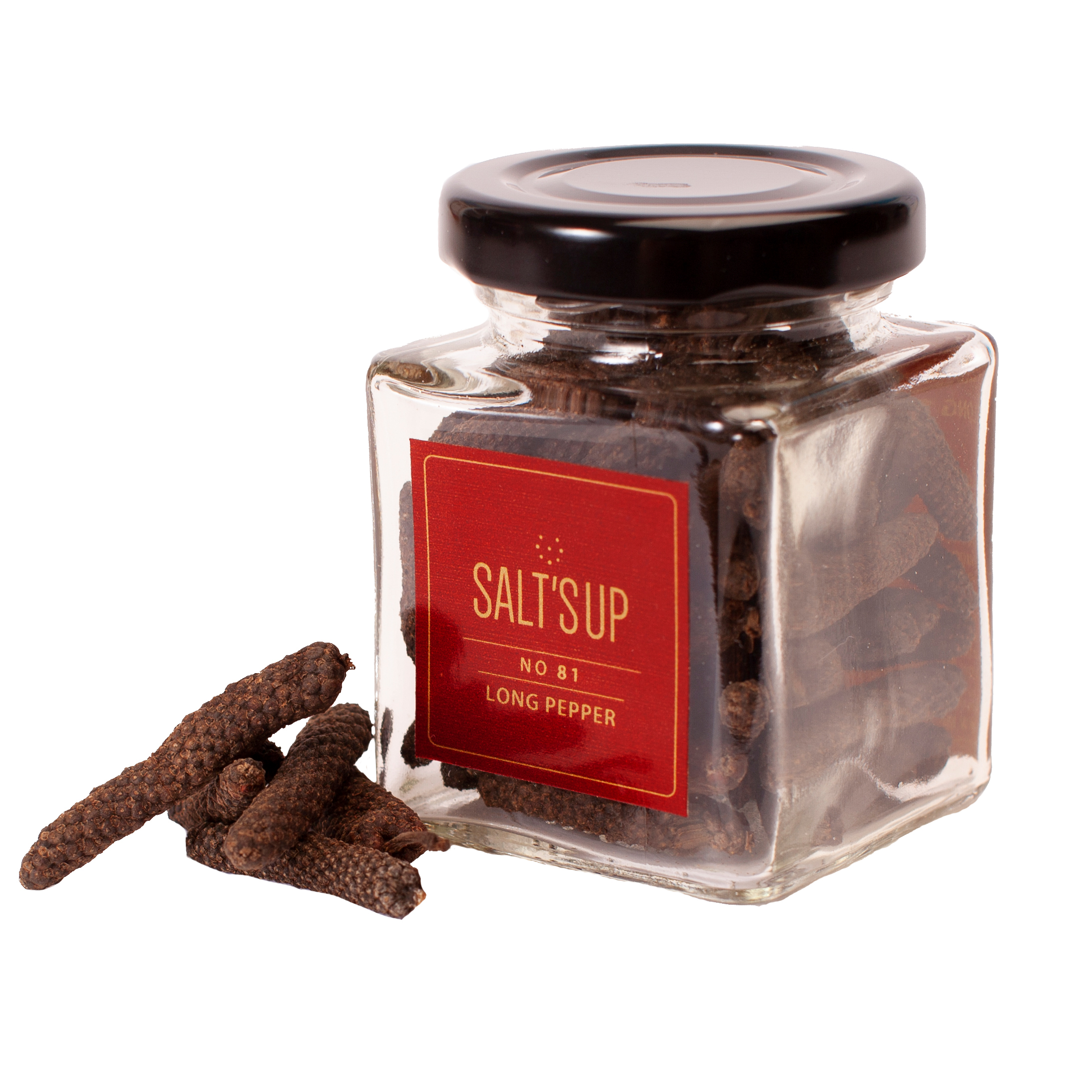
LONG pepper No. 81
7.99€
Long pepper has a delicate floral aroma with a slight kick, particularly when cooked for a long time.
Long pepper tastes like black, green and white pepper, but is more pungent.
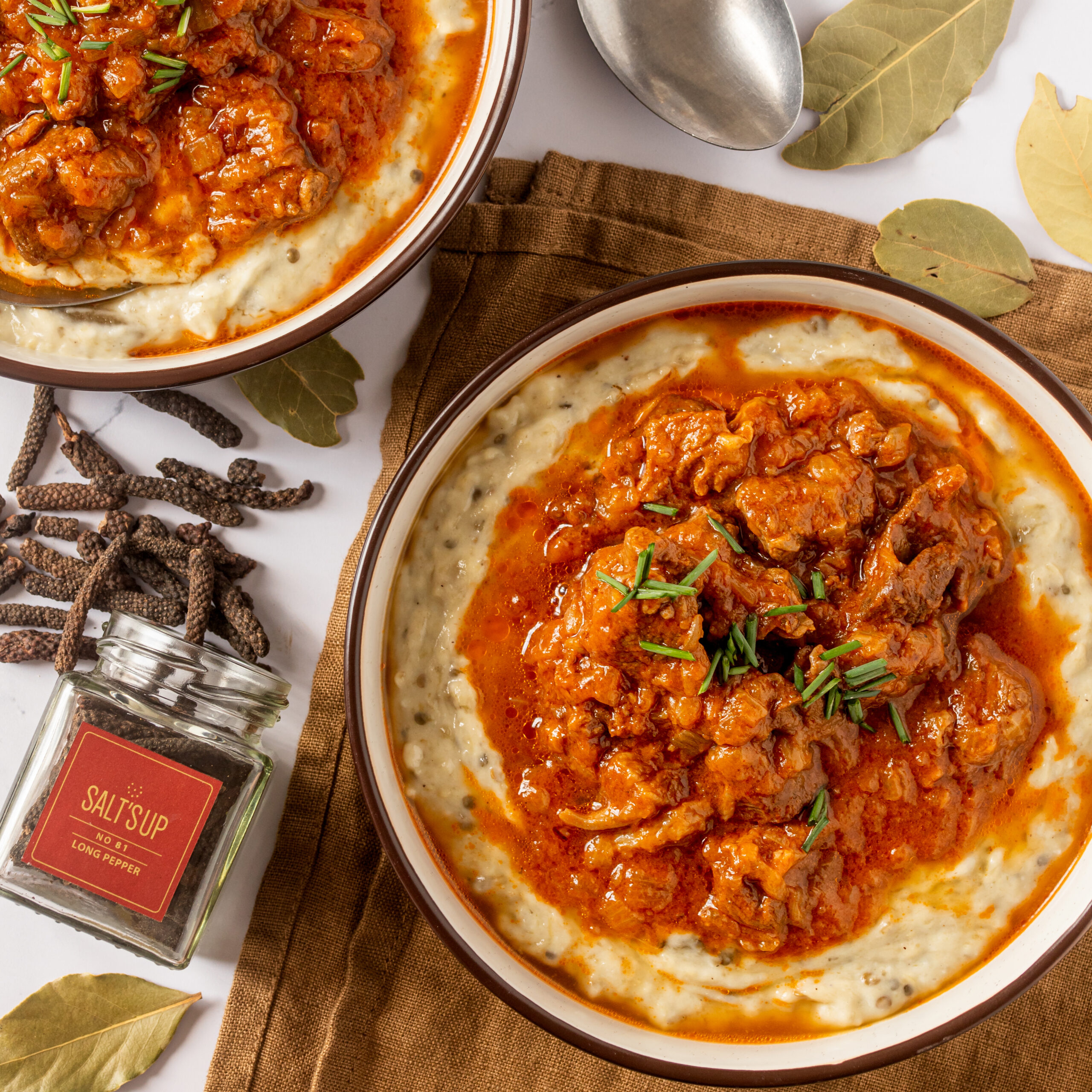
Due to their complexity, long peppercorns pair well with dishes that have distinctive, nuanced flavours, such as spring favourites like artichokes, asparagus and mushrooms. They are best prepared simply with freshly ground long pepper, added to the dish at the very end to preserve the flavour. Use it with dark meats, vegetables, in compotes, desserts and as an accompaniment to fruit.
It’s best to simply crush it so that the pepper’s intensity can add flavour to curries, particularly in vegetarian dishes and slow-cooked meals.
Country of origin: Indonesia
45g jar
Description
What is long pepper and where does it come from?
The flowering vine LONG PEPPER (Piper longum), which belongs to the Piperaceae family, is sometimes also known as Indian long pepper or tippali. The plant is grown primarily for its dried fruits, which are used as a spice and flavouring.
The fruit of long pepper consists of numerous tiny berries, each about the size of a poppy seed. The berries’ spicy flavour comes from the alkaloid piperine, which is also found in Piper nigrum.
Long pepper is first mentioned in ancient Indian Ayurvedic texts, where its medicinal and culinary properties are discussed in detail. It arrived in Greece around the sixth or fifth century BC. Hippocrates, however, mentioned it only as a medicine, not as a spice.
Before the European discoveries on the American continent, long pepper was a significant and well-known condiment amongst the Greeks and Romans.
Long pepper was famous before the discovery of the American continent and the chilli pepper, which the Spanish called pimiento (using their word for long pepper). Chilli peppers, some of which, when dried, resemble long peppers in both shape and flavour, were easier to cultivate in various European environments.
Long pepper is now a rather rare spice in European cuisine. From ancient Rome through to Renaissance Europe, long pepper was widely used in cooking alongside ordinary black pepper. However, long pepper was pushed out of the culinary spotlight by the rise of New World chillies and black pepper.
What does long pepper taste like?
Compared to black pepper, it has a much more nuanced flavour, reminiscent of spice blends such as garam masala rather than a single spice. It has the heat and aroma of black pepper, but in a milder, more delicate way, softened by sweet undertones of nutmeg, cinnamon and cardamom. Unlike the prickly sensation of black pepper, long pepper soothes the tongue and leaves a tobacco-like coolness on the finish.
Due to its complexity, long pepper pairs well with dishes that have distinctive, nuanced flavours, such as spring favourites like artichokes, asparagus and mushrooms. They are best prepared simply with freshly ground long pepper, added to the dish at the very last moment to preserve the flavour. Furthermore, during mango season, long pepper is the ideal extra spice for salads and sweet dishes.
Long pepper is easy to grind in a spice mill. It can be used in place of black pepper when a sweeter, spicier accent is required, either finely ground or coarsely crushed.
Furthermore, long pepper pairs remarkably well with the smokiness and mildness of barbecued food. Long pepper is an excellent addition to any dry-cured meat; pork, beef and lamb go particularly well with its garam masala-style spices.
How to use long pepper?
Although it was a common ingredient in spice blends throughout the Middle Ages in European kitchens, long pepper is still used in some North African spice blends, as well as in Indian, Nepalese, Indonesian and Malaysian cuisines, and in certain Indonesian and Malaysian dishes.
Long pepper should be used just like any other spice. It can be added to savoury baked goods, stirred into soups, added to South-East Asian noodle dishes or fried rice, and much more.
If you’re using long pepper in recipes that call for a milder spice, grind it first; otherwise, use it whole in dishes such as stews or curries.
Depending on the desired level of heat, long pepper can be used as a one-to-one substitute for other peppers. Indian long pepper has a milder heat than chilli pepper – a more earthy heat that tingles the palate and dissipates quickly.
A simple but delicious recipe to try with our long pepper:
Classic Thai fried rice with chicken
This is a fun and simple recipe for your next dinner. Classic fried rice with chicken and our long pepper will spice up your dinner table with its wonderful flavour. A dish to make and enjoy with the kids!
You’ll need:
- 800g cooked rice, preferably made the day before
- 1 boneless, skinless chicken breast, cut into small pieces
- 3 tablespoons of soya sauce
- 3 tablespoons of chicken stock
- 3 tablespoons of fish sauce
- 1 tbsp lime juice
- 1 teaspoon granulated sugar
- 1 long chilli, ground
- 2 to 3 tablespoons vegetable oil
- 4 spring onions, sliced into white and green parts, separated
- 3 to 4 cloves of garlic, chopped
- 1 red pepper, cut into thin slices
- 5 to 7 fresh shiitake mushrooms, stalks removed and chopped into small pieces
- 1 small celery stalk, thinly sliced
- 80g frozen peas
- 1 large egg
- Thai sweet chilli sauce, to serve
Method:
- Use a teaspoonful or two of oil to separate any clumps of cold rice into individual grains.
- Add one tablespoon of soya sauce to the bowl containing the chopped chicken. Mix thoroughly and set aside.
- Mix together the lime juice, sugar, white pepper, 2 tablespoons of soya sauce, fish sauce and chicken stock. Set aside.
- Heat a wok or large frying pan over a high or medium-high heat. Add the white parts of the onion, garlic and chilli after drizzling in 2 tablespoons of oil and swirling the pan.
- After stir-frying for one minute, add the chicken. Stir-fry the chicken for 2–3 minutes or until it turns an even opaque colour.
- Fry the mushrooms and celery, stirring, for 2–3 minutes or until cooked (the celery should remain crunchy). Add a little more oil if the wok or pan becomes too dry.
- Add the rice over a high heat. Use a spatula or other flat cooking utensil to stir-fry the rice, turning it gently as you go.
- Add the sauce gradually, 1–2 teaspoons at a time. Once all the sauce has been added, continue to stir-fry for a further 6–10 minutes.
- Once added, stir in the frozen peas. Then push everything to one side to reveal the centre of the pan.
- Add the egg and fry immediately, stirring constantly.
- Fry everything, stirring constantly, over a high heat for 2 minutes or until the rice is fluffy and the grains separate easily.
- Once the desired flavour has been achieved, remove the pan from the heat. Add a little more fish sauce if necessary. Add a dash of lime juice if it is too salty. Top with chopped spring onions.
- Serve!
- For those who prefer their food spicy, feel free to serve with Thai chilli sauce
Enjoy your meal! 🙂
Korduma Kippuvad Küsimused
Mis teeb LONG pepper No. 81 eriliseks?
LONG pepper No. 81 on käsitsi korjatud ja hoolikalt töödeldud gurmeeklassi pipar. Erinevalt tavalise musta pipra massitoodangust on igal gurmeepipral oma unikaalne aroomiprofiil, mis tuleb esile värskelt jahvatades.
Kuidas pipart õigesti säilitada?
Hoidke pipart kuivas, pimedas kohas hermeetilises anumas. Jahvatage alati vahetult enne kasutamist – nii säilib aromaatsete õlide intensiivsus. Teralistena säilib pipar aastaid, jahvatatult kaotab aroomi mõne kuuga.
Milliste toitudega LONG pepper No. 81 sobib?
Gurmeepiprad sobivad nii liha-, kala- kui köögiviljatoitudega. Proovige lisada lõpuviimistlusena valmis roale, salatikastmetele või isegi magustoitudele. Iga pipar on erinev – eksperimenteerige julgelt!
Kui kiiresti tellimus kohale jõuab?
Tellimused saadetakse tavaliselt 1–2 tööpäeva jooksul. Eesti-sisene tarne võtab üldjuhul 2–3 tööpäeva. Tallinna poes (Kentmanni 19) on võimalik ka kohapealne kättesaamine.
VAATA KA NEID TOOTEID

Tellicherry pepper has a very distinctive fresh flavour. Tellicherry pepper is considered to be more aromatic than other types of pepper. Its aroma has a strong and distinctive citrus note. Tellicherry pepper can be used just like any other black pepper. We recommend using it to season savoury dishes, such as lemon and pepper chicken. It also makes a great addition to your pantry, allowing you to add a special flavour to your dishes quickly and easily. Country of origin: India 50 g
7.99€ Add to cart
Colourful pepper blend with Schinus berries. Our colourful pepper blend is aromatic and moderately spicy, with a delicate fruity flavour. It is best suited to meat dishes, salads, pasta and sauces. Contains: black, white, green and pink peppercorns. It looks absolutely stunning in its transparent mill and is also perfect for decorating the table. Country of origin: India / Brazil / Sri Lanka 70 g
9.90€ Add to cart
Whisky Pepper This blend of pepper, spices and whisky flavouring is at its best when used with meat, salmon and chicken. This pepper turns an ordinary cut of meat into a restaurant-quality dish on your dining table! Country of origin: India/Germany 70 g
16.90€ Add to cart
The aroma of long pepper is much richer than that of ordinary pepper. A fruity, sweet scent, with a hint of cinnamon. Each pepper pod is hand-selected, which is what makes this pepper so prized. For the best flavour, crush it in a mortar or between your fingers. Country of origin: Cambodia 40 g
7.99€ Add to cart
6-SALT STARTER SET FOR GOURMETS The STARTER set is the perfect gift for discovering the wonderful world of gourmet salts. We’ve put together a box containing our six favourite salts. The ideal purchase to begin your journey into the world of gourmet salts, whether for yourself or a friend. White, pink and black salt flakes, accompanied by Alaea fine red clay salt, which is perfect for use in meat dishes. Fish Namak salt, which is ideal for vegan dishes, and Bamboo Jade salt with its greenish hue, perfect for Asian cuisine.
47.90€ Add to cart
Banasura Highland pepper is one of the most prized peppers from the Malabar Coast. It is grown in the Wayanad Valley in Western India. Banasura pepper is aromatic and hot thanks to the exceptional size of the peppercorns. Banasura pepper is ideal with red meat, grilled meat and burgers. For best results, add the pepper to your dish at the very end – freshly ground. If you store Banasura pepper in a cool, dark place, it will retain its aroma for 2 years. Once ground, the pepper will retain its aroma for approximately 3 months. 50 g jar
7.99€ Add to cart
Timuti and lemon pepper This pepper has been used by the indigenous peoples of the Himalayas for over a thousand years.
Timuti and lemon pepper is similar to the famous Szechuan pepper, but its grains are larger and lighter in colour. Timuti’s flavour profile consists of enchanting passion fruit, citrus with a strong rose note, jasmine and hyacinth, with subtle hints of smoky and woody berries. It has a very peppery heat and also possesses pain-relieving properties. It pairs very well with: - fish: white fish, fish carpaccio, tartare, ceviche -seafood: crab, scallops, prawns -meat: white meat, poultry, pork, beef, duck, lamb, turkey - with cheese: fresh and young goat’s cheese - with desserts: mango, pineapple, citrus fruits, strawberries, melon, lychees, passion fruit, apricot and chocolate 30 g
7.99€ Add to cart
Schinus pepper. This pepper originates from the humid and warm regions of Brazil. Schinus berries grow on shrubs and trees, which can reach heights of up to 12 metres. The berries have a sweet and slightly spicy flavour. Schinus berry pepper is wonderful in sauces, with chicken, beef and also sprinkled over desserts. Due to their attractive appearance, Schinus berries are found in many dishes. We definitely recommend adding something else to the mill alongside these berries, as they often tend to clog it up. Country of origin: Brazil 30 g
7.99€ Add to cart
Experienced smoke masters have turned Banasura pepper into a true culinary delight. Smoked Banasura pepper is at its best with red meat and burgers. For the best aroma and taste, grind the pepper just before eating, and if you’re frying or boiling food, add it just before it’s ready. Country of origin: India 50 g
7.99€ Add to cart
This surprising and rare Indonesian pepper has a wonderful citrusy flavour and aroma. It is ideal with fish, seafood and poultry, and is perfect for everyday use.
Andaliman is a distant relative of Sichuan pepper and is used in Sumatra in much the same way as black pepper is in the West.
This pepper has a distinctive, slightly pungent flavour, which really brings out your taste buds. It is precisely this quality that makes Andaliman pepper ideal for dishes where the flavour needs to be particularly emphasised. This pepper is ideal for meat lovers – it brings out the flavours of chicken and red meat particularly well. But enough about meat – here at our spice shop, we decided to try using this very same pepper to make tea instead! We added a little to hot water and it tasted absolutely delicious. Country of origin: Indonesia 15g jar
Long pepper Long pepper has a delicate floral aroma with a slight kick, particularly when cooked for a long time.
Use it with: dark meat, vegetables, in compotes, in desserts and as an accompaniment to fruit. It is best simply to crush it so that the pepper’s strength can add flavour to curries, particularly in vegetarian dishes and slow-cooked meals. Country of origin: Indonesia 70 g
9.90€ Add to cart
Whisky Pepper Whisky Pepper is a unique blend of black Malabar pepper and whisky. This pepper offers a unique and novel taste experience, transforming an ordinary cut of meat into a restaurant-quality dish right on your own dining table! The whisky balances the pepper, whilst also adding a touch of smoothness and sweetness, making this pepper an excellent accompaniment to meat and fish. The subtle peppery sensation and the distinctive, striking flavour of the whisky are what make this whisky pepper so unique. This whisky pepper is the ideal gift for chefs who love to experiment with different new flavours. Country of origin: India/Germany 45g jar
7.99€ Add to cart
The aroma of long pepper is much richer than that of ordinary pepper. A fruity, sweet scent, with a hint of cinnamon. Each pepper pod is hand-selected, which is what makes this pepper so prized. For the best flavour, crush it in a mortar or between your fingers. Country of origin: Cambodia 70 g
14.90€ Add to cart
This exceptional pepper comes from the Malabar Coast Highlands Nature Reserve, located in south-west India. Tiger pepper really comes into its own in dishes thanks to its unique and strong flavour. It is excellent with grilled meat and fish, and is also ideal for use in sauces. Country of origin: India 80 g
9.90€ Add to cart
Kampot pepper is one of the finest peppers in the world. The humid and hot climate of the Thai coast, combined with the heavy clay soil, gives this pepper its exceptional qualities. Kampot pepper is grown traditionally, without the use of artificial fertilisers or pesticides. All Kampot peppers come from the same plant; their colour is determined by their degree of ripeness and the stage of processing. Only fully ripe berries are used to produce white Kampot pepper. After harvesting, the berries are soaked in water for several days until the skin dissolves. The beige-white grains are then dried in the sun. This pepper has a fresh and aromatic scent. We recommend using White Kampot pepper to season poultry, fish, vegetables, light sauces and soups. Country of origin: Cambodia 60g jar
7.99€ Add to cart